Your Breath Is Your Reset Button
Feb 27, 2026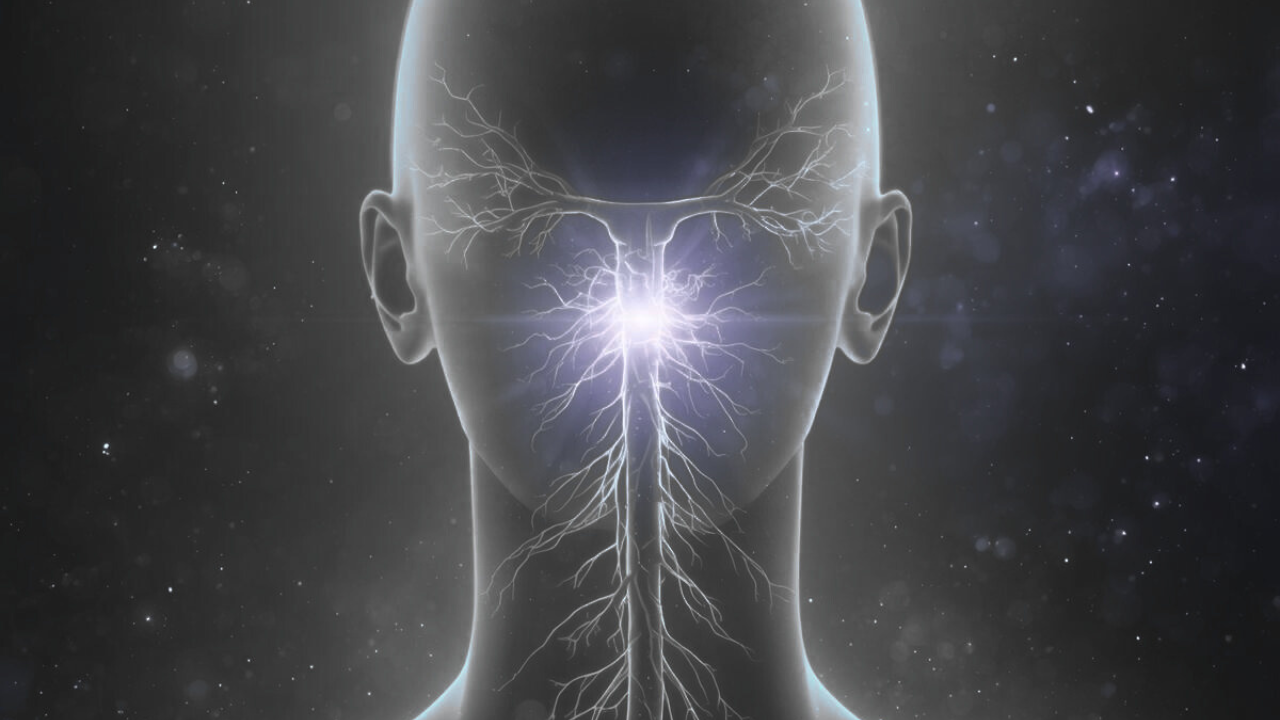
The art of letting go through breath
Your breath is the only thing your body does automatically and consciously. That is not an accident. It is an invitation.
You have been breathing your whole life. Your body keeps doing it through sleep, grief, panic, joy. The breath moves even when you forget it exists.
Most people never realize the second half of that truth: breath is also a tool. It is one of the most direct ways you can change your state without needing a perfect environment, a perfect mindset, or an hour to yourself. It is free, it is portable, and it works deeper than most wellness advice ever explains.
This is not about collecting techniques. It is about understanding what your breath is doing inside your nervous system, then using it with intention. Breath is a bridge between your conscious mind and your body, between what you are holding and what you are ready to release.
What your breath is telling your nervous system
Breathing is not just oxygen exchange. Every inhale and exhale sends information to your nervous system about safety.
Short, shallow, fast breathing tends to signal threat. Your system stays ready.
Longer, slower breathing tends to signal safety. Your system can soften.
This is why a single long exhale can interrupt a spiral. It is why slowing your breath in a moment of panic can work even when your mind is convinced there is something to panic about.
Your nervous system responds to breath faster than it responds to logic. Thoughts can argue with reality. Breath tells the truth about what your body believes is happening right now.
The vagus nerve, in plain language
The vagus nerve runs from the brainstem down through the heart, lungs, and gut. Think, rest and digest. It is a primary pathway of the parasympathetic nervous system, the part responsible for rest, digestion, repair, and connection.
When the vagus nerve is responsive, you have range. You can get activated and come back. You can feel a strong emotion without getting trapped inside it. You can move through stress and recover.
When it is under-supported by chronic stress, trauma, or years of survival mode, recovery gets harder. You get activated and stay there. Rest does not land. Sleep does not restore. Your body keeps acting like the emergency is still happening.
Vagal toning is a way of training your system toward more flexibility. Breath is one of the most direct entry points.
The letting go practice (no timer, no performance)
Most breath-work focuses on mechanics. Count this. Hold that. Do it “right.”
Mechanics are useful. They are not the point.
The deeper work is helping your body complete what it has been holding open. That is what letting go really is: completion.
Try this:
- Get comfortable. Sit or lie down. Let your shoulders drop. Unclench your jaw.
- Inhale into what is heavy. Choose one place that feels tight, numb, clenched, or guarded. Let the inhale make contact.
- Exhale longer than you inhale. Slow it down. Let the exhale be the message: this can soften now.
- Repeat for three to five cycles.
If you want words to anchor it, use this on the exhale: “I release what is complete.”
Why the “return it to the earth” image works
Sensitive and highly stressed people often hold energy like it is their responsibility to contain it. You feel something heavy and your system tries to manage it, solve it, carry it, or outthink it.
The earth gives your body a different option.
When you exhale with the intention of returning what is complete, you are giving your nervous system a place to put the load. You are reminding your body that it does not have to be the storage unit for everything it has ever felt.
Energy transforms. What you release does not vanish. It changes form. The point is that it no longer has to live inside your tissues.
Vagal toning through sound (yes, your voice counts)
Vagal toning tends to cue the vagus nerve and parasympathetic response. Humming and singing create vibration through the throat and chest, right where the vagus nerve has influence. That vibration can cue parasympathetic settling. Your body reads it as safety and connection.
After a few releasing breaths, try this:
Inhale gently. Exhale with a hum. Any note. No performance. Two minutes is enough to feel a shift.
Two fast tools: sigh to release, hum to return
If you only keep two tools from this post, keep these.
When you feel activated, overwhelmed, or stuck in your head: sigh. Make it audible. Let the exhale empty you.
When you need to come back into your body after being pulled out of it: hum. Quietly is fine. Under your breath is fine. Vibration is the point.
Together they create a simple regulation cycle: release through the sigh, return through the hum.
A simple five-minute practice to start any day
Place one hand on your heart and one on your belly.
- Take three natural breaths and notice what arises.
- Do three to five cycles of the letting go breath (long exhale).
- Do three to five cycles of the returning breath (exhale with a hum).
- Sit for a moment and notice the difference.
That difference is your nervous system responding to a new signal.
Your free resource
If you want support going deeper into this, I put the foundations into a free guide so you can stop guessing and start working with your nervous system in real life.
Access the Nervous System Regulation Guide here.
It covers what your nervous system is doing under stress, how vagal toning supports regulation, and practical tools you can use when life is loud and you still need to come back to yourself.
Author